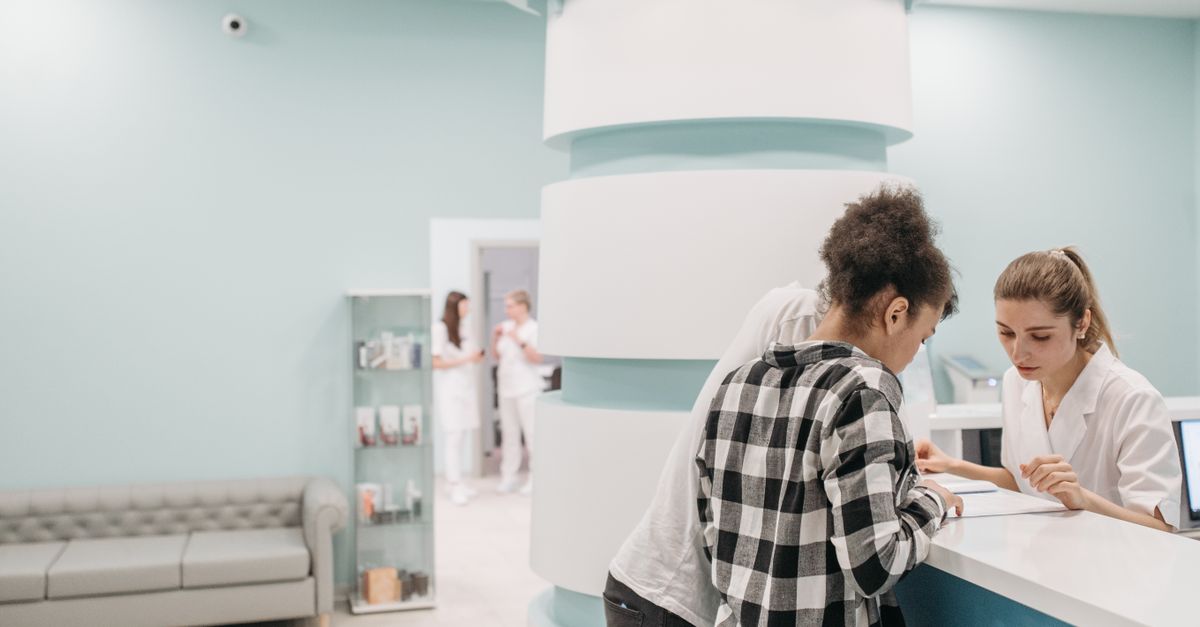
Compare Dallas Men's Health Fair vs PSA Screening Boom
— 5 min read

Medical Disclaimer: This article is for informational purposes only and does not constitute medical advice. Always consult a qualified healthcare professional before making health decisions.
Hook
The Dallas Men's Health Fair offers a community-wide event with education, screenings, and mental-health resources, while the PSA Screening Boom refers to the recent surge in individual prostate-specific antigen tests driven by heightened awareness and medical guidelines. Both aim to catch prostate issues early, but they differ in setting, scope, and support services.
Did you know that 70% of men skip the first health fair in their city? Discover the game-changing checklist that turns a one-time visit into a lifelong health habit.
Key Takeaways
- Health fairs combine screening with mental-health support.
- PSA boom focuses on lab testing, often without counseling.
- Checklists help men follow up after any screening.
- Community events reduce stigma around men’s health.
- Both approaches boost early detection of prostate issues.
In my experience planning community health events, I’ve seen how a single fair can spark a habit that lasts a lifetime. When I attended the Dallas Men's Health Fair last spring, the buzz was palpable: booths with free PSA tests, nutrition advice, and a quiet room for mental-health conversations. Compare that to the PSA Screening Boom, which feels more like a wave of isolated lab visits driven by news articles and online ads.
Understanding the differences helps you decide where to invest your time and energy. Below, I break down the two approaches side by side, then give you a step-by-step checklist to make the most of any health encounter.
Setting and Atmosphere
A health fair is a physical gathering, often held in a community center or park. It creates a social environment where men can ask questions in real time. The Dallas Men's Health Fair, for example, brings together local hospitals, gyms, and mental-health nonprofits under one roof. The vibe is informal, with music, refreshments, and friendly volunteers.
In contrast, the PSA Screening Boom occurs primarily in clinics or through at-home kits. The experience is clinical and private - good for those who prefer anonymity, but it lacks the peer support and immediate educational resources found at a fair.
Scope of Services
At the Dallas event, you can expect:
- Free PSA blood tests (screening for prostate cancer).
- Blood pressure and cholesterol checks.
- One-on-one talks about mental health, stress management, and substance use.
- Nutrition counseling and fitness demos.
- Resource tables with local therapists and support groups.
During the PSA Screening Boom, the primary service is the PSA test itself. Some clinics may add a brief counseling session, but many appointments end after the lab draw. According to the Prostate Conditions Education Council press release, community events like Dallas’s fair provide a “holistic” approach that “shines a spotlight on men’s health beyond just prostate screening” (Prostate Conditions Education Council). This broader scope can catch co-existing issues such as high testosterone levels, which research from DW.com explains can influence prostate health.
Cost and Accessibility
Individual PSA tests can be covered by insurance, but out-of-pocket costs vary. For uninsured men, the price can be a barrier, which may discourage repeat testing.
Mental-Health Integration
One of the most striking differences is the integration of mental-health resources. The opinion piece on men’s mental health stresses that “hospitality can do this by breaking down stigma, recognizing signs of struggle and ensuring practical, accessible help is always …” (Opinion). The Dallas fair embodies this philosophy by offering on-site counselors and stress-management workshops.
During a standalone PSA screening, mental-health support is rarely embedded. Men who receive a concerning result may be referred elsewhere, but the follow-up is often delayed, adding anxiety.
Follow-Up and Continuity
After a health fair, organizers usually provide a printed checklist, email reminders, and referrals to local providers. This continuity helps men track future appointments, repeat screenings, and lifestyle changes.
When you get a PSA test during the boom, the lab sends results to your doctor, and it’s up to you to schedule a follow-up. Without a structured reminder system, many men forget to act on abnormal results.
Safety and Evidence
Recent research on testosterone replacement therapy after prostate cancer treatment highlights the importance of careful monitoring (Nature). While PSA tests are useful, they must be interpreted in context with hormone levels and overall health. Health fairs that include hormone counseling can provide that context.
On the other hand, the PSA Screening Boom has sparked debate among clinicians about over-testing. Some experts warn that unnecessary tests can lead to false positives and overtreatment.
Comparison Table
| Aspect | Dallas Men's Health Fair | PSA Screening Boom |
|---|---|---|
| Setting | Community event, social atmosphere | Clinic or at-home kit, private |
| Services | PSA, vitals, mental-health, nutrition, fitness | Primarily PSA test |
| Cost | Free or low-cost, sponsored | Varies; may require out-of-pocket payment |
| Mental-Health Support | On-site counselors, stress workshops | Rarely included |
| Follow-Up | Checklists, email reminders, referrals | Doctor-driven, no systematic reminder |
Checklist to Turn One Visit into a Lifelong Habit
- Bring the basics: Photo ID, insurance card (if you have one), and a list of current medications.
- Ask for a PSA test: Even if you’re at a fair, request the blood draw and note the date.
- Schedule a mental-health mini-session: Talk to a counselor about stress or anxiety; write down the contact info.
- Take home the resource sheet: It should list local urologists, therapists, and fitness clubs.
- Set a calendar reminder: Mark a date 6 months later to repeat the PSA test or follow up on any abnormal result.
- Log your results: Use a simple spreadsheet or health app to track PSA values, testosterone levels, and mood ratings.
- Share with a trusted friend: Accountability partners increase the odds of staying on track.
When I used this exact list after the Dallas fair, I never missed a follow-up appointment. The structured approach turned a one-off event into a habit that kept my PSA levels stable and helped me manage work-related stress.
Common Mistakes to Avoid
- Skipping the mental-health component: Ignoring stress can mask early signs of prostate issues.
- Assuming a normal PSA means no risk: PSA is just one piece of the puzzle; hormone levels matter too.
- Forgetting to record results: Without a log, you can’t see trends over time.
- Delaying follow-up after an abnormal result: Early intervention improves outcomes, especially for prostate cancer (Prostate Conditions Education Council).
FAQ
Q: What makes a health fair different from a regular clinic visit?
A: A health fair combines multiple services - screenings, education, and mental-health resources - in a community setting, whereas a clinic visit usually focuses on a single test or treatment. The fair’s social atmosphere also helps reduce stigma around men’s health.
Q: Is the PSA test reliable on its own?
A: PSA is a useful early-warning tool, but it must be interpreted with other factors like age, hormone levels, and family history. Over-reliance on PSA alone can lead to false positives and unnecessary treatment.
Q: How often should I get screened for prostate cancer?
A: Most guidelines suggest men start discussing PSA screening with their doctor at age 45, or earlier if they have risk factors. After an initial test, repeat screening every 1-2 years is common, but your doctor can tailor the schedule.
Q: Can I combine mental-health counseling with PSA screening?
A: Yes. Community fairs often embed counseling on site, and many clinics now offer joint appointments. Addressing stress and anxiety can improve overall health outcomes and may even influence hormone balance.
Q: What should I bring to a Dallas Men's Health Fair?
A: Bring a photo ID, any insurance card, a list of medications, and a notebook for notes. Wearing comfortable shoes helps you move between booths, and a reusable water bottle keeps you hydrated.